Tree trimming guide
When is the best time to trim trees in Boise?
For most deciduous trees in Boise, late winter, while the tree is dormant and before buds open, is the best time for planned trimming and structural pruning. Dead, broken or hazardous limbs are the exception: they can and often should be dealt with whenever they appear.
Updated October 2, 2026
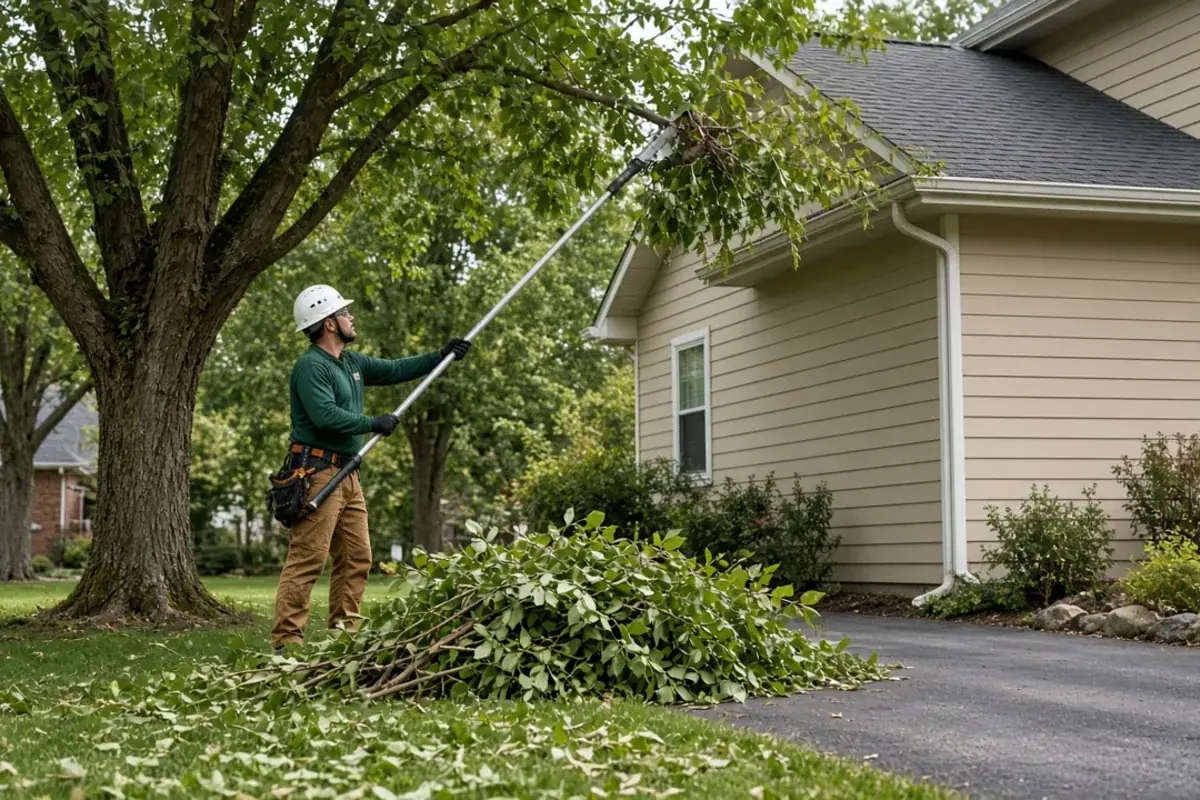
Why late winter works for most trees
Once leaves have dropped, the whole branch structure is visible, so it is easier to see crossing limbs, weak unions, deadwood and branches heading toward the roof. Cuts made in late winter are followed by spring growth, which helps the tree start closing wounds quickly.
Dormant trees are also under less stress than in the middle of a hot, dry Boise summer, and many insects and diseases are less active in cold weather. For shade trees such as honeylocust, ash, elm, linden and most oaks, late winter is a good default for anything beyond light touch-up work.
What to be careful with in spring and summer
Spring leaf-out is when a tree has spent much of its stored energy pushing out new leaves, so heavy pruning right then takes away growth it has just paid for. Light work is fine, but large reductions are usually better scheduled for dormancy.
Boise summers are hot and dry, and trees are often already working hard to keep up with water demand. Removing a lot of canopy in July or August can add stress and expose bark to sunscald. Summer is still a reasonable time for small clearance cuts, removing deadwood and correcting a branch that is suddenly in the way.
Trees that are exceptions
Maples and birches often bleed sap if they are cut in late winter or early spring. It looks alarming but usually does not harm the tree; some owners simply prefer to prune these in summer or after leaves are fully out to avoid the drip.
Spring-flowering trees and shrubs, such as crabapples, flowering cherries, ornamental pears and lilacs, set their flower buds the year before. Trimming them in winter removes this year's blooms, so they are usually pruned shortly after flowering instead. Evergreens like pines and spruce need less pruning in general, and light shaping is best done in late winter or early spring rather than with heavy cuts.
Fall trimming and early snow
Fall can be a good time to remove deadwood and clear branches off roofs before winter, but heavy pruning while trees are still in leaf is generally best left until the leaves drop. In the Treasure Valley, a wet snow that arrives before leaves have fallen can load branches heavily, so thinning out obviously weak or overextended limbs ahead of winter can reduce breakage.
What can be done any time of year
Some work should not wait for the ideal season. Broken or hanging limbs, branches resting on a roof or service line, cracked unions, and dead branches over a driveway, patio or sidewalk are safety issues first and timing questions second.
Lines running to the house are a special case. Branches near power lines should be handled by the utility or qualified line-clearance workers, so call your power provider rather than cutting near a line yourself.
Nesting birds and timing
Spring and early summer are nesting season. Active nests of most native birds are protected under federal law, so it is worth checking a tree before major work during that time and adjusting the plan if a nest is in use. Late winter avoids most of this conflict.
Planning your trimming in Boise
If your trees need regular attention, scheduling the larger structural work for late winter and keeping summer visits for light clearance usually gives the best result. Our tree trimming and tree pruning pages explain the difference between the two, and if a tree has gone past what pruning can fix, see tree removal.
Common questions
A few things people usually want to know
What month is best to trim trees in Boise?+
For most deciduous shade trees, late winter, roughly January through early March before buds open, is a good window for planned trimming and structural pruning.
Can I trim trees in the summer in Boise?+
Light trimming, clearance cuts and deadwood removal are fine in summer. Heavy pruning is better avoided during hot, dry weather because it adds stress to the tree.
When should flowering trees be pruned?+
Spring-flowering trees such as crabapples and flowering cherries are usually pruned shortly after they finish blooming, so next year’s flower buds are not removed.
Should broken branches wait until winter?+
No. Broken, hanging or cracked limbs, especially over a house, driveway or walkway, should be dealt with as soon as possible regardless of season.
Talk through the tree
Prefer to call? Start there.
If you can describe what the tree is doing, where it sits on the property and what you want to accomplish, that is enough to start the conversation. For urgent damage, mention whether the tree is leaning, split, blocking access or resting on a structure.