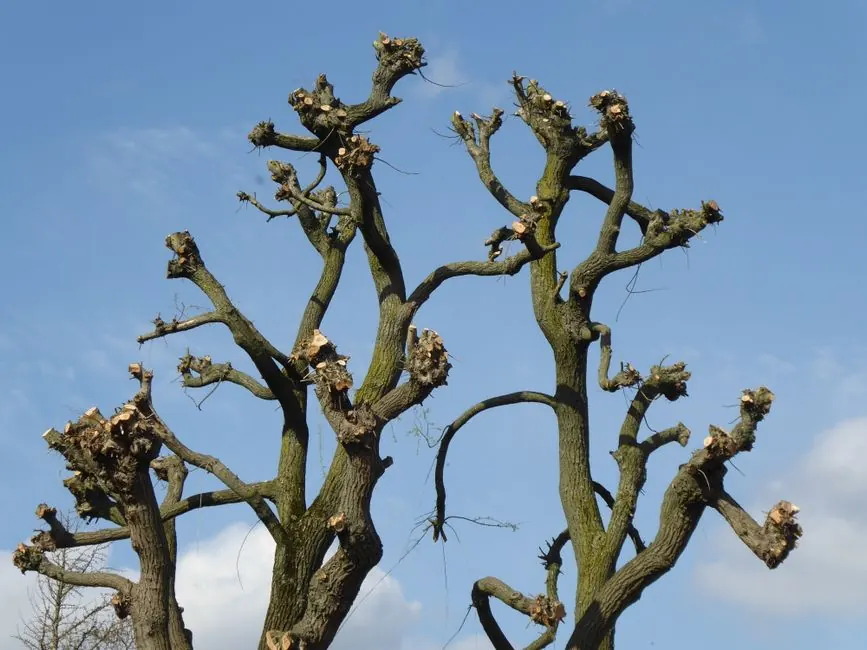
Knowing the best time to trim trees in Boise is essential for maintaining their health and appearance. Generally, the optimal time for tree trimming is late winter to early spring, just before the growing season begins.
This article will explore the timing for tree trimming, the specific needs of different tree types, and when to seek professional help from Tree Services in Boise Idaho.
Why Timing Matters for Tree Trimming
Tree trimming is a critical aspect of tree care that involves removing specific branches to promote healthy growth and maintain the tree's structure. Trimming at the right time can prevent disease, encourage new growth, and enhance the tree's overall appearance.
Best Seasons for Tree Trimming in Boise
In Boise, the best seasons for tree trimming are typically late winter and early spring. This period allows trees to heal before the growing season starts. Trimming during dormancy minimizes stress and encourages vigorous growth.
During late winter, trees are still dormant, making it easier to see their structure and identify which branches need to be removed. As the weather warms in early spring, trees begin to bud, indicating the perfect time to trim branches that may impede growth.
However, some trees have specific trimming needs:
- Deciduous Trees: Trimming is best done in late winter to early spring.
- Evergreen Trees: These can be trimmed in late spring or early summer.
- Flowering Trees: Trimming should occur right after flowering to avoid cutting off next year's blooms.
Common Tree Types and Their Trimming Needs
Understanding the types of trees in your yard is crucial for effective trimming. Here are some common trees in Boise and their trimming needs:
- Maple Trees: Best trimmed in late winter.
- Oak Trees: Ideal to trim in late winter to prevent oak wilt.
- Pine Trees: Can be trimmed in late spring.
- Cherry Trees: Trim immediately after flowering.
Each tree species has unique requirements, and knowing these will help you maintain their health. For instance, trimming oak trees in summer can expose them to diseases, while maple trees can bleed sap if cut too early in spring.
What to Watch Out for When Trimming Trees
While trimming trees can be beneficial, there are common mistakes to avoid:
- Over-trimming: Removing too many branches can stress the tree.
- Wrong Timing: Trimming at the wrong time can hinder growth or expose the tree to diseases.
- Not Using Proper Tools: Dull or inappropriate tools can damage the tree.
Additionally, consider the weather conditions. Avoid trimming during wet or windy conditions, as this can make the process dangerous and less effective.
When to Call a Professional
Many homeowners opt for professional help when it comes to tree trimming. If you have large trees or are unsure about the trimming process, it's wise to contact a professional service like Tree Trimming Boise ID. Professionals can assess the tree's health and determine the best trimming strategy.
Hiring experts ensures the job is done safely and correctly, reducing the risk of damage to your trees and property.
Frequently Asked Questions
1. When is the best time to trim trees in Boise?
The ideal time to trim trees in Boise is late winter to early spring, just before the growing season.
2. Can I trim my trees in the summer?
While it's possible, it's generally not recommended for most species, as it can stress the tree and hinder growth.
3. What tools do I need for tree trimming?
Essential tools include pruning shears, loppers, and a pruning saw. Ensure they are sharp and appropriate for the task.
4. How often should I trim my trees?
Most trees benefit from trimming every 3-5 years, but this can vary based on species and health.
5. What should I do with the branches after trimming?
Branches can be chipped for mulch or removed by a professional service like Tree Debris Removal Boise ID.