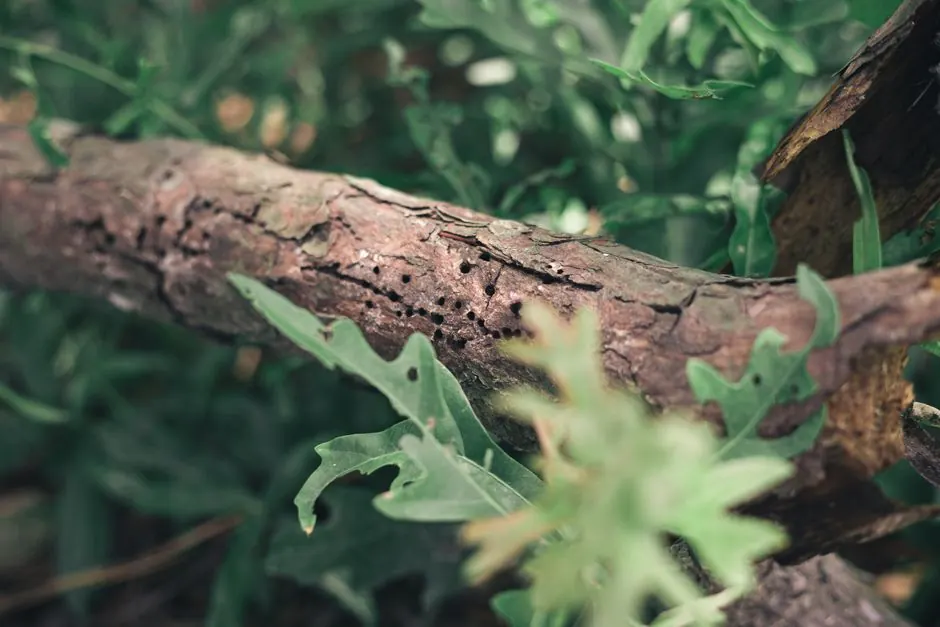
A tree in Boise may be diseased or dying if you notice specific signs such as wilting leaves, discoloration, or unusual growth patterns. Identifying these symptoms early can help you take action to save your tree or prevent further issues in your landscape.
Diseased tree is a term that refers to trees affected by pathogens, pests, or environmental stressors that compromise their health and vitality.
Common Signs of Tree Disease
Several indicators can suggest a tree in Boise is suffering from disease. Look for the following:
- Wilting or Discoloration: Leaves that are yellowing, browning, or wilting can indicate stress.
- Unusual Growths: Galls, cankers, or fungal growths on the trunk or branches signal possible disease.
- Leaf Drop: Excessive leaf drop, especially outside of the normal seasonal cycle, can be a warning sign.
- Dieback: Dead branches or sections of the tree can indicate disease progression.
In Boise, many homeowners observe these signs, especially during hot summer months when trees are under stress. Regular monitoring can help catch these issues early.
Environmental Factors Affecting Tree Health
Boise's climate can significantly impact tree health. Factors such as drought, poor soil quality, and extreme temperatures can weaken trees, making them more susceptible to disease. For instance:
- Drought Conditions: Extended dry spells can lead to stress, making trees vulnerable to pests and diseases.
- Soil Quality: Nutrient deficiencies in the soil can hinder tree growth and health.
- Temperature Extremes: Boise experiences cold winters and hot summers, which can affect tree resilience.
Understanding these environmental factors can assist you in maintaining healthier trees. Regular Tree Health Care Boise ID practices can mitigate some of these risks.
How to Diagnose Tree Diseases
Diagnosing tree diseases involves careful observation and sometimes professional evaluation. Follow these steps to assess your tree:
- Inspect the Leaves: Look for discoloration, spots, or unusual shapes.
- Check the Bark: Examine for cracks, peeling, or oozing sap.
- Examine the Roots: Ensure there is no root rot or damage.
- Seek Professional Help: If unsure, consider a Tree Inspection Boise ID from a certified arborist.
Many homeowners in Boise find that a professional assessment can provide clarity on whether to proceed with Diseased Tree Removal Boise ID or other interventions.
What to Watch Out For
Common mistakes include:
- Ignoring early signs of distress, thinking they will resolve on their own.
- Overwatering or underwatering, which can exacerbate existing problems.
- Applying pesticides without proper diagnosis, potentially harming beneficial insects.
Being proactive about tree health can prevent more serious issues down the line.
When to Call a Professional
If you suspect your tree is diseased or dying, it's wise to consult a professional. Signs that warrant a call include:
- Visible structural damage or large dead branches.
- Signs of infestation, such as holes in the bark or sawdust.
- Persistent leaf drop or dieback despite care.
TreeCareBoise offers expert evaluations and can guide you on the best course of action for your trees.
Frequently Asked Questions
1. How can I tell if my tree is dying? Look for signs such as wilting leaves, extensive leaf drop, and dead branches.
2. What causes trees to become diseased? Factors include pests, pathogens, environmental stress, and poor soil conditions.
3. When should I remove a diseased tree? If the tree is beyond recovery or poses a safety risk, removal is necessary.
4. Can I treat a diseased tree myself? Some minor issues can be treated at home, but severe cases typically require professional intervention.
5. How much does tree removal cost in Boise? Typical costs range from $300 to $1,500 depending on the tree size and location.